While gathering some visuals to bring a recent body of work to life, I spent some time searching stock images to include in the guide. I typed in “self care” and was met with the usual suspects: women in face masks, in bathtubs or with their feet up.
When I searched for “sensuality,” the images were mostly women in lingerie, often accompanied by men, posed in ways that felt performative, sexualized, and not quite rooted in her experience.
Whilst there is nothing wrong with bubble baths – a long soak with beautiful scents can be ritualistic and deeply calming, but generally cleansing our body is essential, not a form of self-care. And our sensuality absolutely can involve our sexuality I couldn’t help but notice what was missing.
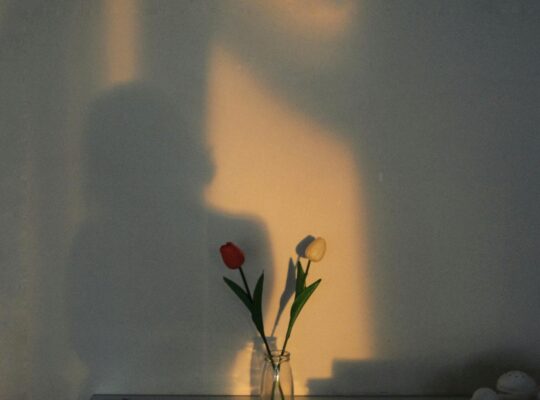
Where were the quiet, teary moments of breath softening into the body?
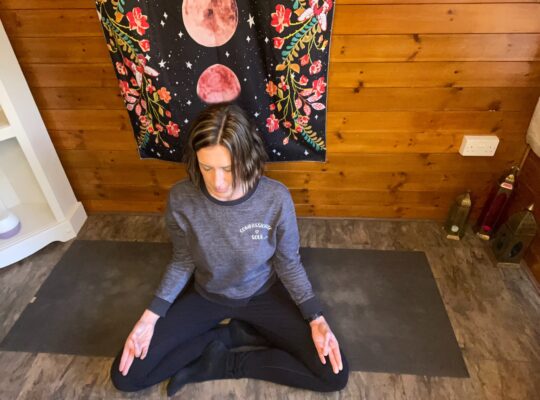
Where were the images of hands on heart, a woman standing barefoot in the sun, stretching her spine or sighing out tension?
Where was the woman whose sensuality was woven into her own stillness, her own rhythm, her own body-led connection to life?
These stock images reflect how narrow and distorted the mainstream interpretation of sensuality and self-care has become.
Self-care is not basic and nor is it a luxury, it’s a practice, often gentle, quiet, imperfect.
If we give it permission to be it can be a connection to our deepest selves – sometimes the parts of us we don’t wish to see or have kept hidden.
But the beauty of real self-care is tending to ourselves as a whole, in our pleasure, our mess, and everything in between.
And sensuality…
Isn’t a performance for the gaze or benefit of another.
It’s the sacred aliveness of your body, connected to through breath, sound, texture, rhythm, and more. It’s yours. And you don’t need a partner, a product, or permission to access it.
When we begin tending to ourselves in these slow, embodied ways, something profound happens, we soften, yes, but we also sharpen. We become more attuned to the language of our bodies: the quiet no, the curious maybe, the full-bodied yes. Sensuality becomes a pathway to self-trust. And self-care becomes less about external rituals and more about internal discernment, a rooted knowing of what nourishes us, and what no longer fits.